In our increasingly connected world, a reliable internet connection is no longer a luxury—it’s a necessity. While Wi-Fi offers unparalleled convenience, for many tasks, especially those requiring stable, high-speed data transfer, the humble Ethernet Cable Cord remains king. From streaming high-definition content and engaging in online gaming to managing complex business networks, understanding your ethernet cable cord is crucial for optimizing your digital experience. This comprehensive guide, brought to you by the experts at SDCMT, will unravel the complexities of ethernet cables, helping you navigate their types, choose the right one, master installation, troubleshoot common issues, and ensure their long-term performance.
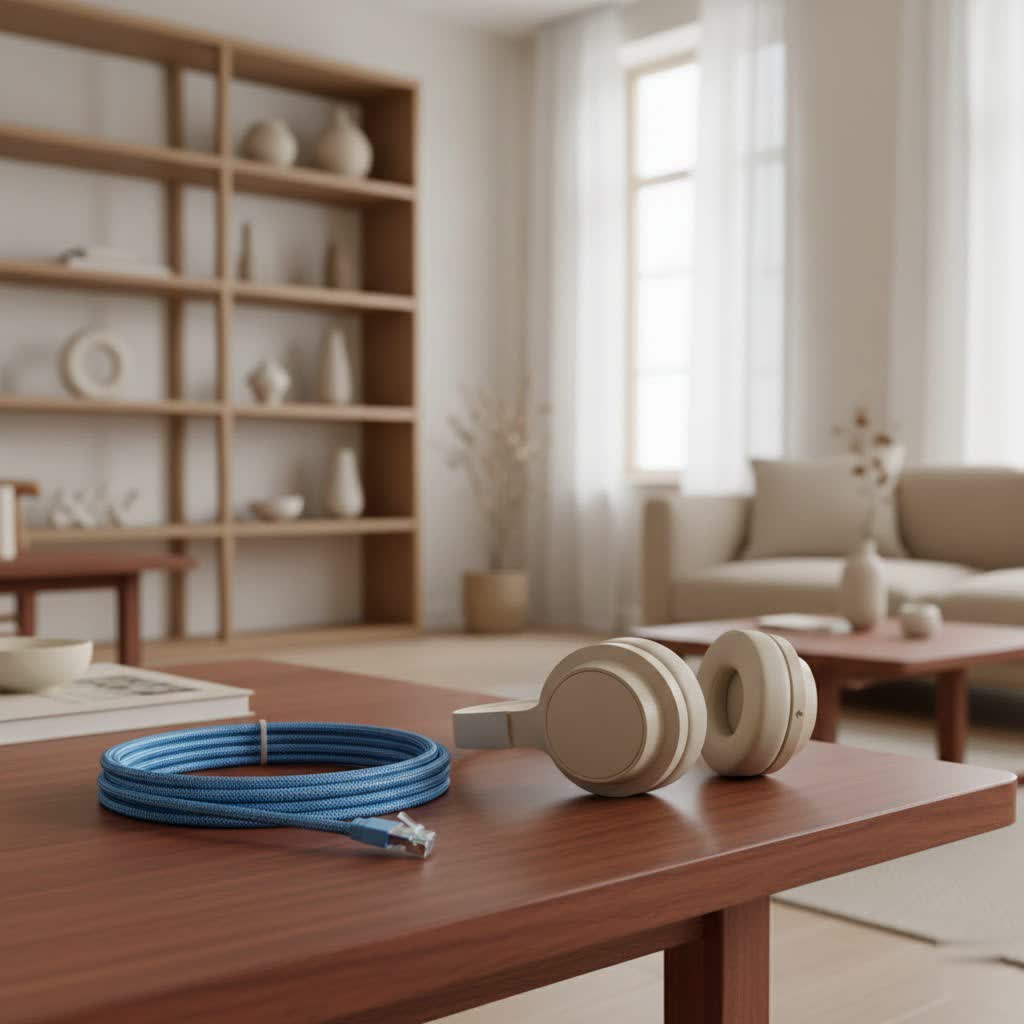
Understanding Your Ethernet Cable Cord: Categories and Capabilities
An ethernet cable cord is essentially the backbone of a wired network, designed to transmit data between devices like computers, routers, switches, and modems. These seemingly simple cables are categorized based on their performance capabilities, often denoted by “Cat” (Category) followed by a number. Each category represents specific standards for speed, bandwidth, and resistance to crosstalk (interference between wire pairs).
Deciphering Ethernet Cable Categories
|
Our Picks for the Best Ethernet Cable in 2026
As an Amazon Associate I earn from qualifying purchases.
|
||
| Num | Product | Action |
|---|---|---|
| 1 | UGREEN Cat 8 Ethernet Cable 6FT, High Speed Braided 40Gbps 2000Mhz Network Cord Cat8 RJ45 Shielded Indoor Heavy Duty LAN Cables Compatible for Gaming PC PS5 Xbox Modem Router 6FT |

|
| 2 | UGREEN Cat 8 Ethernet Cable 10FT, High Speed Braided 40Gbps 2000Mhz Network Cord Cat8 RJ45 Shielded Indoor Heavy Duty LAN Cables Compatible for Gaming PC PS5 Xbox Modem Router 10FT |
|
| 3 | Jadaol Cat 6 Ethernet Cable 50 ft, 10Gbps Support Cat8 Cat7 Network, Flat RJ45 LAN Patch Cable, High-Speed Wired Internet Cable for Router, Modem, Switch, Gaming Consoles, PC, Streaming Devices, White |
|
| 4 | Vabogu Cat 8 Ethernet Cable, Heavy Duty High Speed Internet Network Cable, Multiple Size Options, 26AWG, 2000MHz 40Gbps with Gold Plated RJ45 Connectors, Shielded for Indoor & Outdoor Use, 6FT |
|
| 5 | Snowkids Cat 8 Ethernet Cable 15 FT, Strong Signal, High Speed 40Gbps 2000Mhz, Network Cord with RJ45 Internet Connector for TV/Printer/Computer/Modem/Router/ps-3/4/5, Braided Flat LAN Cable 15FT Grey |
|
| 6 | Amazon Basics Cat 6 Ethernet RJ45 10Gbps Flat Cable 100 ft Outdoor&Indoor White Solid Patch Cord with Clips for Router, Modem, PS4/5, Xbox, Gaming, Computer Network for High Speed LAN Internet |
|
| 7 | Amazon Basics 5-Pack RJ45 Cat 6 Ethernet Patch Cable, 10Gpbs High-Speed Cable, Gold-Plated, Snagless, 5 Foot, Multicolor |
|
| 8 | Amazon Basics RJ45 Cat-6 Ethernet Patch Cable, 1Gpbs Transfer Speed, Gold-Plated Connectors, 50 Foot for PC, TV, Tablet, Router, Printer, Black |
|
| 9 | Cat 8 Ethernet Cable 50 ft, 6ft 10ft 20ft 30ft 40ft 75ft 100ft 150ft Heavy Duty High Speed Internet Network Cable 26AWG 40Gbps 2000Mhz,Professional LAN Cable Shielded in Wall,Indoor&Outdoor |
|
| 10 | Amazon Basics RJ45 Cat 6 Ethernet Patch Cable, 10Gpbs High-Speed Cable, 250MHz, Snagless, 10 Foot, Black for Printer |
|
Understanding the different categories is the first step to choosing the right ethernet cable cord for your needs.
Cat5e: The Reliable Workhorse
Cat5e, or Category 5 enhanced, is perhaps the most ubiquitous ethernet cable cord for home and small office networks. It’s a significant improvement over the older Cat5, specifically designed to reduce crosstalk.
- What is Cat5e used for? Cat5e is perfect for achieving Gigabit Ethernet speeds (up to 1 Gbps) over distances up to 100 meters, making it ideal for everyday tasks like internet browsing, standard video streaming, and general file transfers. It offers a frequency of 100 MHz.
Cat6: Stepping Up Performance
Stepping up from Cat5e, Cat6 ethernet cable cords offer superior performance, featuring tighter twists and sometimes shielding to further reduce interference.
- What are the advantages of Cat6 cables? Cat6 supports 1 Gigabit per second (Gbps) over 100 meters, but its real advantage lies in its ability to support 10 Gbps speeds over shorter distances, typically up to 55 meters. With a bandwidth of 250 MHz, Cat6 is a solid choice for more demanding applications like HD video streaming, online gaming, and large file transfers within a network.
Cat6a: The 10 Gigabit Standard
The “a” in Cat6a stands for “augmented,” and it truly lives up to its name. A Cat6a ethernet cable cord extends the capabilities of Cat6.
- Where is Cat6a best utilized? This category is designed to deliver 10 Gbps speeds over the full 100-meter distance, operating at an impressive 500 MHz bandwidth. Its enhanced performance and improved resistance to alien crosstalk make it suitable for advanced office networks and data center applications.
Cat7: High Performance with Shielding
Cat7 ethernet cable cords push performance even further, primarily distinguished by their extensive shielding. Each twisted pair is individually shielded, and the cable as a whole also has an overall shield.
- What makes Cat7 unique? Cat7 supports 10 Gbps speeds at a higher frequency of 600 MHz over 100 meters. While not commonly found in typical home or small office setups due to its cost and rigidity, it excels in high-speed networks and server rooms where maximum performance and minimal interference are paramount.
Cat8: The Future of Copper Networking
Cat8 represents the cutting edge of copper ethernet cable cords, designed for ultra-high-speed data centers.
- When would you need a Cat8 cable? Supporting speeds from 25 Gbps up to a staggering 40 Gbps, Cat8 operates at frequencies up to 2000 MHz (2 GHz), albeit over much shorter distances, typically around 30 meters. It’s heavily shielded to virtually eliminate interference, making it an overkill for most residential uses but indispensable for server-to-server connections and high-performance storage access in data centers.
Ethernet Cable Cord Comparison Chart
| Ethernet Cable Category | Max Data Transfer Speed | Max Bandwidth | Optimal Length for Max Speed | Common Use Cases |
|---|---|---|---|---|
| Cat5e | 1 Gbps | 100 MHz | 100 meters | Home networks, basic office use, internet browsing, standard streaming |
| Cat6 | 1 Gbps (10 Gbps over 55m) | 250 MHz | 100 meters (55m for 10G) | HD streaming, online gaming, small business networks |
| Cat6a | 10 Gbps | 500 MHz | 100 meters | Advanced office networks, data centers, larger installations |
| Cat7 | 10 Gbps | 600 MHz | 100 meters | High-speed networks, server rooms, demanding enterprise environments |
| Cat8 | 25-40 Gbps | 2000 MHz | 30 meters | Ultra-high-performance data centers, server-to-server connections |
Choosing the Right Ethernet Cable Cord for Your Needs
Selecting the ideal ethernet cable cord isn’t just about picking the fastest one; it’s about finding the perfect balance between performance, cost, and your specific requirements.
What factors should I consider when selecting an ethernet cable cord?
Making an informed decision ensures you get the most out of your network without overspending or underperforming.
Matching Your Internet Speed (ISP & Devices)
First and foremost, consider your internet service provider’s (ISP) plan and the capabilities of your network devices.
- Why is my ISP speed important? There’s no benefit in using a Cat8 ethernet cable cord if your ISP only provides 100 Mbps internet. The cable can only perform as fast as the slowest component in your network chain. Ensure your router, modem, and devices also support the speeds you’re aiming for.
Application Matters: Home, Office, or Gaming?
Your primary use case heavily influences the best choice for your ethernet cable cord.
- Which ethernet cable cord is best for gaming? For most home users and even avid gamers, a Cat6 or Cat6a ethernet cable cord offers an excellent balance of speed, low latency, and affordability. They significantly reduce lag compared to Wi-Fi, crucial for competitive gaming. Cat7 is also a strong contender for gaming, while Cat8 is often considered overkill for typical home gaming setups. For a bustling office or a data center, the higher bandwidth and speed of Cat6a, Cat7, or even Cat8 may be essential for handling large data transfers and numerous connected devices.
Cable Length and Signal Integrity
The distance your data needs to travel can impact performance.
- Does ethernet cable cord length affect speed? Yes, longer cable runs can lead to signal degradation and reduced transfer rates. While most ethernet categories are rated for up to 100 meters, aiming for the shortest practical length between devices helps maintain optimal signal integrity and performance. For ultra-high speeds like 25-40 Gbps, Cat8 cables are strictly limited to about 30 meters.
Shielding: UTP vs. STP (and why it matters)
Ethernet cable cords come in unshielded (UTP – Unshielded Twisted Pair) and shielded (STP – Shielded Twisted Pair) versions.
- When should I use a shielded ethernet cable cord? UTP cables are common and sufficient for most home and office environments with minimal electromagnetic interference (EMI). However, if your cable run passes near power lines, fluorescent lights, or other sources of EMI, an STP ethernet cable cord is highly recommended. The shielding, often a foil or braid, helps protect the internal conductors from external noise, ensuring a cleaner signal. Just remember that shielded cables require proper grounding to be effective.
Pure Copper vs. Copper Clad Aluminum (CCA): A Critical Choice
The material of the conductors inside your ethernet cable cord is more important than you might think.
- What’s the difference between pure copper and CCA ethernet cables? Pure copper cables offer superior conductivity, lower resistance, better power over Ethernet (PoE) performance, and significantly greater durability and longevity. Copper Clad Aluminum (CCA) cables, on the other hand, use an aluminum core with a thin copper coating. While cheaper, CCA cables have higher resistance, are more prone to breakage, can overheat (especially with PoE), and degrade faster. Always opt for pure copper ethernet cable cords for reliable, long-term performance.
Expert Insight:
“Choosing the right ethernet cable cord is like selecting the proper tires for your car,” says Dr. Quang Minh, a Senior Network Architect at SDCMT. “You wouldn’t put racing slicks on a family sedan, nor would you use off-road tires for a track day. It’s all about matching the cable’s capabilities to your network’s demands to achieve optimal efficiency and avoid unnecessary expense or frustration.”
Essential Tips for Installing Your Ethernet Cable Cord
A well-chosen ethernet cable cord is only as good as its installation. Proper installation ensures optimal performance, reliability, and safety.
How do I properly install an ethernet cable cord?
Following best practices during installation can save you a lot of troubleshooting down the line.
Planning Your Cable Run: Location and Route
Before you even unroll your ethernet cable cord, map out its path.
- Why is cable planning important? Consider the shortest possible route while avoiding potential hazards or sources of interference. Identify a central termination point if you’re running multiple cables. Planning helps reduce cable clutter, simplifies future maintenance, and ensures you have enough cable without excessive slack.
Mind the Bend Radius
Ethernet cables, especially higher categories like Cat6a and Cat7, are designed with a specific minimum bend radius.
- What is the bend radius, and why does it matter? This is the tightest curve the cable can make without damaging the internal conductors or impacting performance. Bending an ethernet cable cord too sharply can cause kinks, break internal wires, or compromise the integrity of the twisted pairs, leading to signal loss and reduced speed. Always aim for gentle curves.
Proper Termination with RJ45 Connectors
Connecting the RJ45 connectors to the ends of your ethernet cable cord requires precision.
- How do I properly terminate an ethernet cable cord? Ensure you follow either the T568A or T568B wiring standard consistently on both ends of the cable. Incorrect wiring, loose connections, or poorly crimped connectors are common culprits for network issues. Using a proper crimping tool and testing the connection with a cable tester after termination are crucial steps.
Avoiding Interference
Electromagnetic interference (EMI) can severely degrade your network performance.
- How can I prevent EMI with my ethernet cable cord? Keep your ethernet cable cords away from major electrical appliances, power lines, fluorescent lighting ballasts, and other electronics that emit electromagnetic fields. If crossing power lines is unavoidable, ensure your ethernet cable crosses them at a 90-degree angle to minimize interference. Using shielded cables (STP) is also an effective strategy in high-interference environments.
Testing Your Connections
After installation, always test your ethernet cable cord.
- What tools are used to test ethernet cables? A simple “blinky tester” can confirm continuity, while more advanced cable certifiers can verify compliance with category standards, identify wiring errors, and measure signal quality. This step ensures that your newly installed cable is performing as expected before you rely on it for critical tasks.
Troubleshooting Common Ethernet Cable Cord Issues
Even with the best planning and installation, sometimes your ethernet cable cord might not perform as expected. Don’s worry, many common issues have straightforward solutions.
Why isn’t my ethernet cable cord working?
Here’s a step-by-step approach to diagnose and fix common problems.
Check the Basics: Physical Connections and Reboot
Often, the simplest solutions are the most effective.
- What’s the first thing to check if my ethernet isn’t working? Ensure your ethernet cable cord is securely plugged into both the device and the router/switch. A loose connection is a very common cause of intermittent or no connectivity. If connections are snug, try rebooting your computer and your network devices (router, modem). A simple restart can often resolve temporary glitches.
Inspecting for Physical Damage
A visual inspection can reveal critical issues.
- What kind of damage should I look for on my ethernet cable cord? Look for any visible signs of wear and tear on the cable jacket, such as kinks, cuts, frayed ends, or exposed wires. Check the RJ45 connectors for bent or broken pins. Even seemingly minor damage can disrupt data transmission. If damage is present, replacing the cable is usually the best course of action.
Trying Different Ports or Devices
To isolate the problem, swap components.
- How do I know if the cable, port, or device is faulty? Connect the ethernet cable cord to a different port on your router/switch. If it works, the original port might be faulty. Conversely, try connecting a known good ethernet cable to your device. If that works, your original ethernet cable cord is likely the problem.
Updating Network Drivers and Settings
Outdated software can sometimes interfere with hardware performance.
- Could outdated drivers cause ethernet cable cord issues? Yes, an outdated or corrupted network adapter driver on your computer can prevent proper communication. Check your device manager for any warnings on your network adapter and update the driver if necessary. Also, review your network settings to ensure they haven’t been inadvertently changed.
Dealing with Electromagnetic Interference (EMI)
Interference can cause frustrating, intermittent issues.
- How do I troubleshoot EMI affecting my ethernet cable cord? If you suspect EMI, try rerouting your ethernet cable cord further away from potential sources like power cables, microwaves, or cordless phones. If rerouting isn’t feasible, consider upgrading to a shielded (STP) ethernet cable if you are currently using unshielded (UTP).
Maximizing the Lifespan of Your Ethernet Cable Cord
A good quality ethernet cable cord is a long-term investment. With proper care and maintenance, it can reliably serve your network for many years.
How long does an ethernet cable cord typically last, and how can I extend its life?
Understanding the factors that influence cable longevity allows you to take proactive steps for preservation.
Understanding Cable Longevity
The lifespan of an ethernet cable cord isn’t fixed, but it’s generally impressive.
- What is the average lifespan of an ethernet cable cord? A high-quality, pure copper ethernet cable cord, installed correctly and used in a stable environment, can easily last 10 to 20 years. However, several factors can significantly shorten this lifespan, including poor quality materials (like CCA), improper installation, and harsh environmental exposure.
Protecting from Physical Stress
Physical stress is one of the leading causes of cable degradation.
- How can I protect my ethernet cable cord from physical damage? Avoid bending cables sharply, twisting them excessively, or crushing them under furniture or heavy equipment. Always respect the cable’s bend radius during installation and ongoing use. For areas where cables might be stepped on or frequently moved (like patch cables), consider using protective sleeves or cable management solutions.
Guarding Against Environmental Factors
The environment where your ethernet cable cord is deployed matters.
- What environmental factors can harm an ethernet cable cord? Keep cables away from extreme heat sources, direct sunlight (UV radiation), and excessive moisture or humidity. For outdoor applications, always use outdoor-rated ethernet cable cords designed to withstand UV, temperature fluctuations, and moisture. In humid environments, ensure connectors are clean and free from corrosion. If you have pets that chew, protect your cables with conduit or by securing them out of reach.
Regular Inspection and Cleaning
A little proactive checking goes a long way.
- How often should I inspect my ethernet cable cord? Periodically inspect your ethernet cable cords for any signs of physical damage, especially in high-traffic areas or where they might be disturbed. Gently clean connectors with compressed air to remove dust and debris that could impede connectivity.
When is it time to replace my ethernet cable cord?
Ethernet cables usually don’t fail suddenly; they often show signs of degradation. Look out for:
- Consistently Slower Speeds: If your internet speed is consistently lower than what your ISP provides, even when directly connected via ethernet, and you’ve ruled out other network components, your cable might be failing.
- Intermittent Connectivity: Frequent disconnections, freezing during video calls, or lag spikes in gaming can all point to a failing ethernet cable cord.
- Visible Damage: Any cracks in the jacket, exposed wires, or bent/corroded RJ45 connectors are clear indicators that it’s time for a replacement.
- Outdated Category: If you’ve upgraded your internet service to multi-gigabit speeds but are still using an older Cat5e or even Cat6 cable, replacing it with a Cat6a, Cat7, or Cat8 ethernet cable cord compatible with your new speeds will unlock your network’s full potential.
Conclusion
The ethernet cable cord is a foundational component of any high-performing wired network. By understanding the distinctions between categories like Cat5e, Cat6, Cat6a, Cat7, and Cat8, you empower yourself to make informed decisions that directly impact your internet speed, stability, and overall digital experience. Whether you’re a casual browser, a serious gamer, or managing a complex business infrastructure, choosing the right cable, installing it meticulously, and performing basic maintenance are critical steps. Don’t let an overlooked cable be the bottleneck in your network. Invest wisely in your ethernet cable cord, maintain it with care, and you’ll enjoy years of seamless, high-speed connectivity. Feel confident in tackling your network challenges, knowing that SDCMT is your trusted resource for all things Ethernet.
